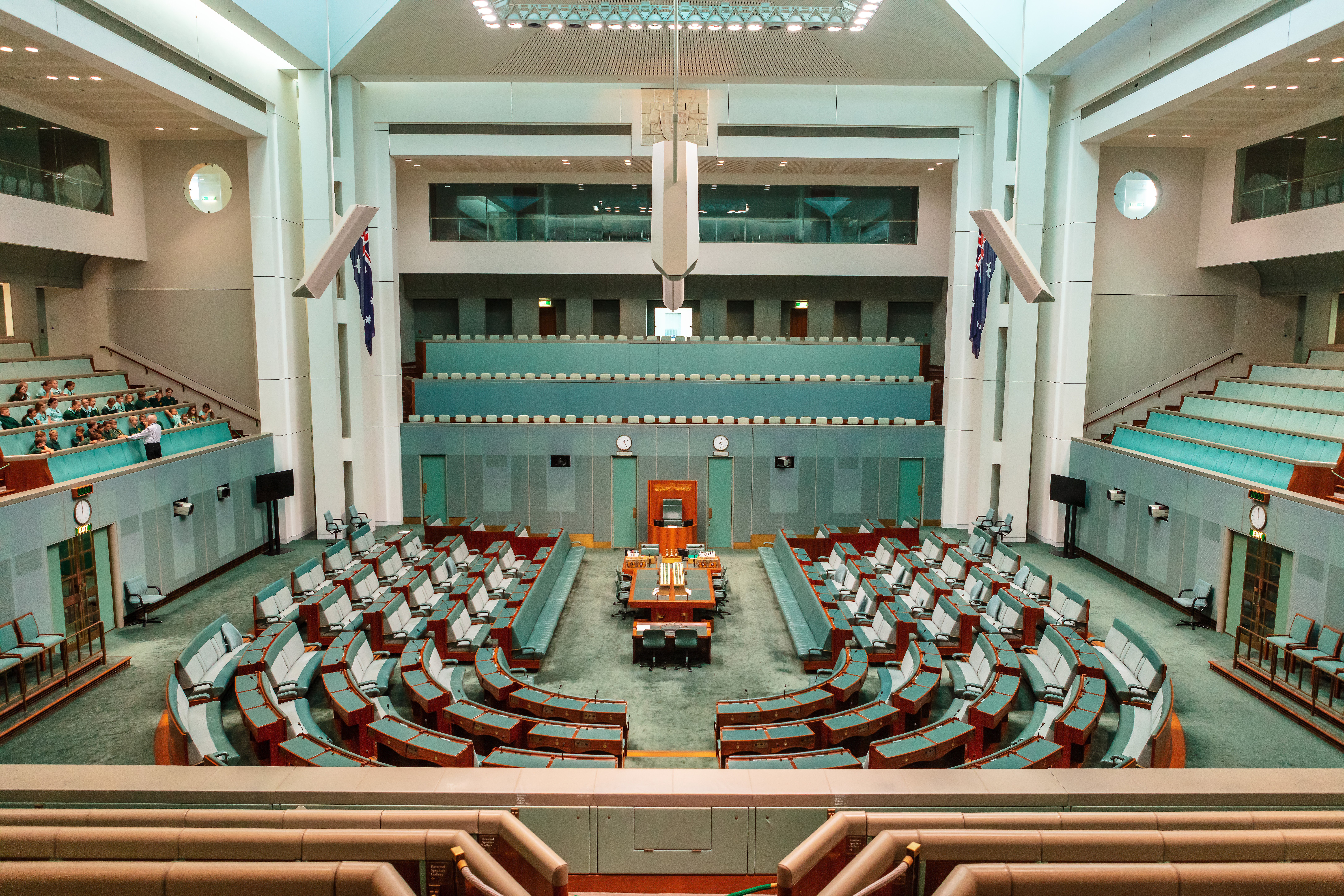
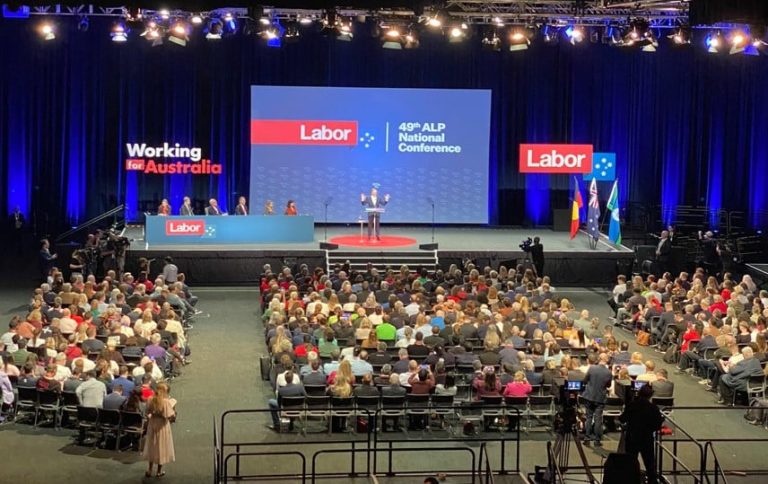
From 23-25 July 2026, more than 2,000 party members and delegates will converge on Adelaide for the Australian Labor Party’s National Conference. As Labor’s highest decision?making forum, and Australia’s largest political gathering, the National Conference plays a defining role in shaping the party’s direction and, by extension, the national policy agenda.
This year’s conference carries additional symbolic weight. As the 50th National Conference since Federation, it comes at a moment when Labor governs federally and is seeking to consolidate its agenda as it moves into the second half of the parliamentary term.
Join Nexus APAC as we unpack what to expect from the conference and why it matters for policymakers, stakeholders and observers of the national political landscape.
Why Adelaide, and Why Now?
The National Conference rotates between capital cities. The 49th National Conference was held in Brisbane in 2023, and the 48th was held in Adelaide in 2018.
Returning to South Australia in 2026 reflects both tradition and political reality. The state has become a Labor stronghold under Premier Peter Malinauskas, and Adelaide offers a compact convention setting well suited to the factional meetings, policy caucuses and side events that run alongside the formal conference program.
The timing is also deliberate. National Conference sets Labor’s National Platform—the formal statement of party policy that guides caucus and the National Executive for the following three years. As such, this year’s National Platform will include policies that Labor will take to the 2028 federal election. The National Conference will also see the election of members of Labor’s National Executive, the chief administrative authority of the Labor Party.
What Happened Last Time?
The most recent National Conference was held in Brisbane in August 2023, after the originally scheduled 2021 conference was cancelled due to COVID?19. It marked Labor’s first conference in government since 2018 and served as a reaffirmation of the Albanese Government’s first?term agenda.
Prime Minister Anthony Albanese’s keynote address focused heavily on delivery, including cheaper medicines, fee?free TAFE, childcare reform and climate policy. It framed the Government’s task as rebuilding institutions after a decade in opposition.
The Brisbane conference also featured extensive debate on topics such as climate ambition and economic reform. The gathering was widely characterised as orderly, with most major outcomes negotiated in advance through the National Policy Forum process.
A Different Political Moment
The Adelaide conference will take place in a markedly different political environment. Labor is no longer a first?term government setting out its stall, but an incumbent administration seeking to lock in its governing narrative and prepare for the next election cycle.
Policy debates are expected to centre around cost-of-living pressures, geostrategic challenges, industrial relations and productivity, climate ambition, housing, and the Future Made in Australia agenda among other policy areas.
As with previous conferences, factional negotiations will play a significant role. Votes at National Conference often fall along factional lines, reflecting the balance between the Left and the Right.
What to Watch
The centrepiece of the conference will again be the Prime Minister’s address, traditionally delivered early in the program and designed to set the tone and frame the political purpose of the gathering. Anthony Albanese is expected to use his Adelaide speech to reinforce Labor’s governing credentials and outline the next phase of reform
Other major addresses will come from the National President, senior ministers, and state and territory leaders, with South Australian figures likely to feature prominently given the host location. The program typically also includes contributions from union leaders and international guests, underscoring the party’s labour movement roots and global connections.
Alongside the formal agenda, keynote sessions and platform debates will run in parallel with a dense schedule of fringe events, policy briefings and stakeholder forums, making the conference a focal point for political engagement over the three days.
Why It Matters
While National Conference does not elect parliamentary leaders or directly legislate, its influence should not be underestimated. It elects the National Executive, endorses the party platform, and provides a rare forum in which rank?and?file members, unions and parliamentarians debate policy in the same room.
For the Albanese Government, the Adelaide conference will be an opportunity to demonstrate stability, reinforce unity and signal confidence in its direction. For observers and stakeholders, it will offer valuable insight into where Labor intends to take its policy agenda—and how much appetite exists within the party for bolder reform.
As Labor delegates converge on Adelaide in July, the 50th National Conference will serve as a test of how a governing party balances internal democracy with the realities of incumbency.